


Cart 0
The weight of August: how our vines survive the heat
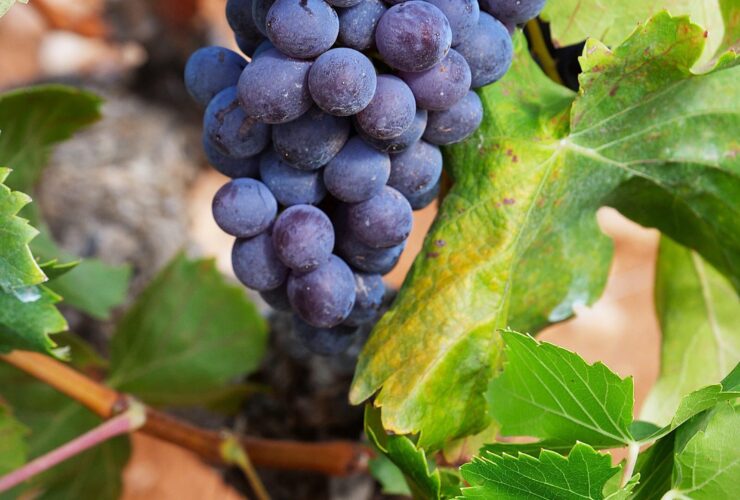
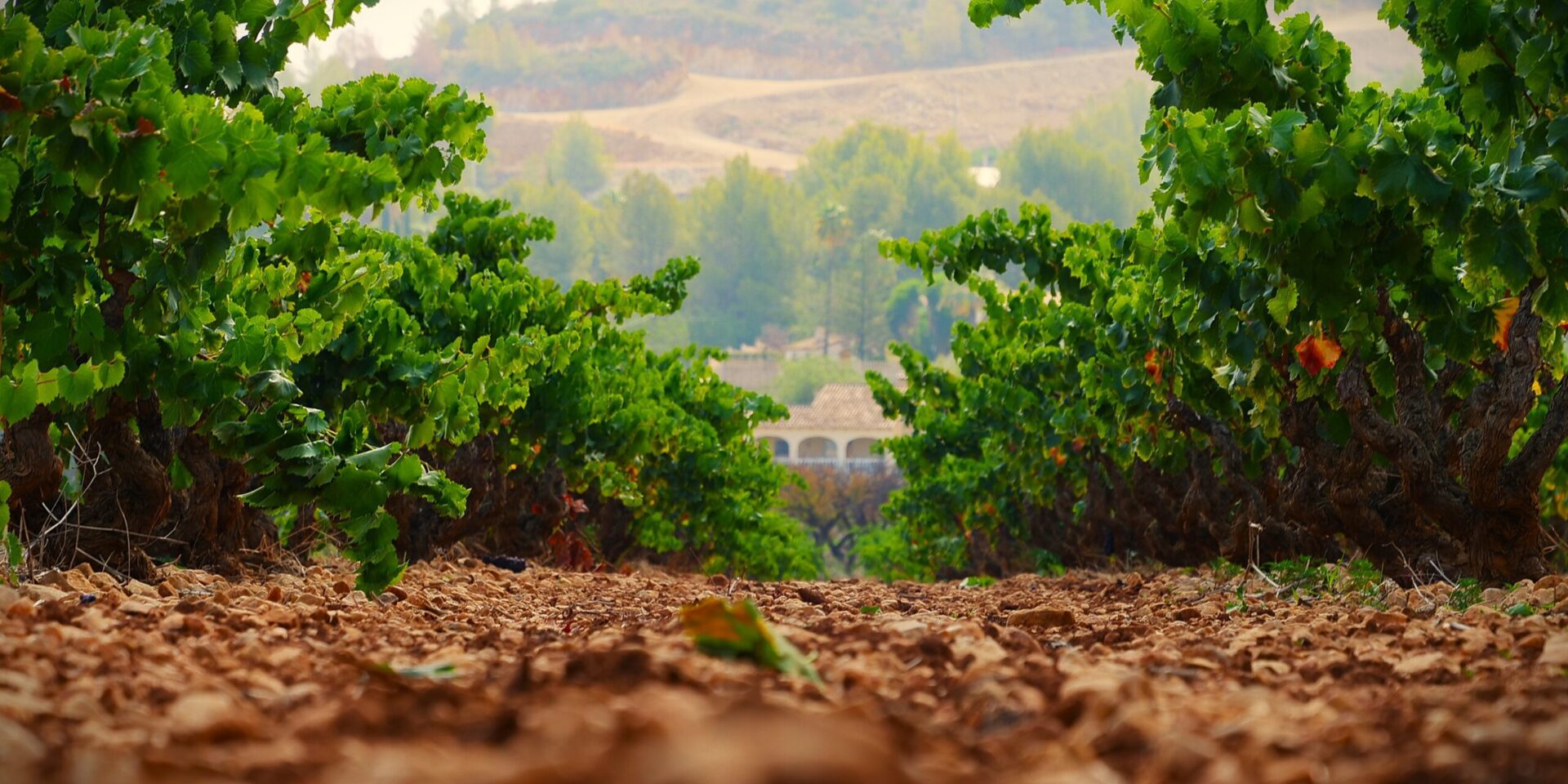
Summer in the Mediterranean never goes unnoticed. It settles on the skin, sharpens the light that falls heavy on the terraces, and rises from the sea as a warm, slow-moving breath that drifts through the vineyards of the Marina Alta. This year—like so many lately—August arrives wrapped in heat waves that refuse to ease. And still, in all that intensity, the vineyard keeps its rhythm: quiet, deliberate, exact. Harvest draws closer.
A heat wave is more than a spike in temperature; it’s a reminder of how delicate the Mediterranean balance truly is. When the temperature pushes past 40 °C, the vine shifts its behavior. It slips into survival mode: slowing down its activity, closing its stomata to conserve water, focusing its energy on protecting the fruit. From a distance the vineyard looks calm, but inside each leaf there’s a tiny, determined struggle to hold onto freshness.
You might wonder how a vineyard withstands so many waves of heat. The answer lies in its memory: in roots that dive deep in search of water that barely exists, in soils alive enough to soften the stress, in plants shaped by decades of harsh light and dry farming. But there’s something else—something that explains how they keep growing even when four months pass without a single drop of rain. The plants have learned to drink through their leaves.
Here, relative humidity is a quiet form of wealth. The sea is our constant companion, and with it comes a nightly veil of dew we rarely notice, though the vine feels it instantly. The leaves gather that moisture, condense it, and turn it into a small but vital relief. It’s a way of hydrating itself that seldom appears in textbooks, yet the vine has mastered it over generations: absorbing water through its foliage, making use of every suspended molecule in the air. In August, when the soil is spent, hydration comes from above.
That’s why our vines endure. They’ve learned to stretch life from the breeze, from the marine vapor that rises each night and settles softly on their skin. The Mediterranean holds the secret of dry-farmed viticulture: resilience, adaptation, the ability to turn scarcity into character. Climate change is undeniable, but the Mediterranean still has very much to say—and much to teach. It holds the entire archive of viticulture in drought.
We walk the vineyard with a different kind of attention: checking clusters, tasting berries, watching how each plot responds, how each soil behaves. The grape skin speaks, but it’s the whole plant—its posture, its breath, its way of holding itself under the sun—that tells us how it’s moving through the heat. We adjust our work so as not to add stress; in August, every gesture carries weight.
It’s also a moment for humility. Nature sets the pace, and we follow. Having a vineyard here means it is shaped by the quiet influence of the sea, even when it’s out of sight. The meeting of fierce light and marine air is what shapes our wines: natural freshness, a touch of salinity, tension.
We’re close now. August is the month of active waiting: measuring, tasting, walking the vineyard day after day. Harvest doesn’t begin on a calendar; it begins when the grape decides.
Want to follow our wait for harvest?
Book a wine tasting at Casa Agrícola and enjoy our wines directly at the winery.
Puede que también te interese

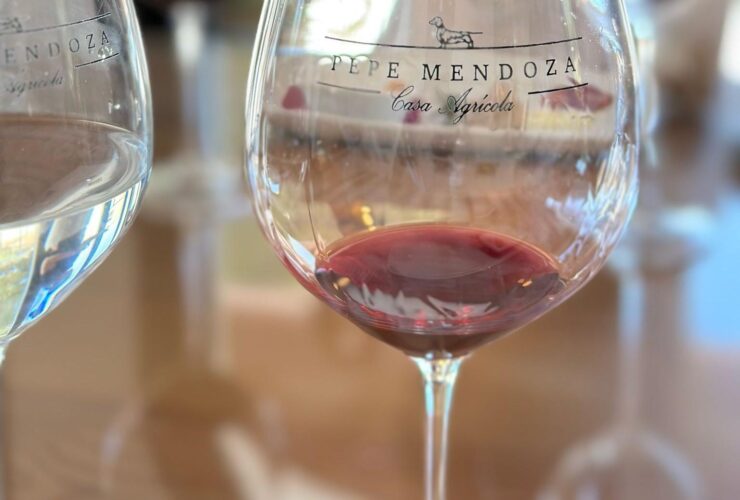
Let’s organize a wine tasting at home
Notice: Undefined offset: 0 in /home/casaagricola/web/casaagricola.es/public_html/wp-content/themes/ave/theme/liquid-template-tags.php on line 759
Notice: Trying to get property 'name' of non-object in /home/casaagricola/web/casaagricola.es/public_html/wp-content/themes/ave/theme/liquid-template-tags.php on line 759
Notice: Undefined offset: 0 in /home/casaagricola/web/casaagricola.es/public_html/wp-content/themes/ave/theme/liquid-template-tags.php on line 760
Notice: Trying to get property 'term_id' of non-object in /home/casaagricola/web/casaagricola.es/public_html/wp-content/themes/ave/theme/liquid-template-tags.php on line 760